Affordable gardeners Cann Hall Road for small front gardens
If your front garden is small, every inch has to earn its keep. One overgrown shrub, one awkward patch of bare soil, or one tired-looking edge can make the whole entrance feel messy. The good news? You do not need a huge budget to turn it around. Affordable gardeners Cann Hall Road for small front gardens can help you create a neat, welcoming space that looks cared for without turning it into a big project.
In practice, the best results usually come from simple, high-impact work: trimming back what is blocking the view, refreshing the soil, choosing compact planting, and keeping maintenance realistic. That is the real sweet spot for small front gardens. Not complicated. Just sensible, tidy, and cost-aware. And yes, it can still feel attractive and personal.
Below, you will find a practical guide to what affordable local gardening support can do, how it works, what to avoid, and how to make the most of a tiny front space. If you are weighing up ideas, it should help you make a calmer decision. No fluff, just useful detail.
Table of Contents
- Why this matters for small front gardens
- How the service works in real life
- Key benefits and practical advantages
- Who it is for and when it makes sense
- Step-by-step guidance for a small front garden
- Expert tips for better results
- Common mistakes to avoid
- Tools, resources and recommendations
- Law, compliance, standards and best practice
- Options and comparison table
- Case study or real-world example
- Practical checklist
- Conclusion
- Frequently asked questions
Why Affordable gardeners Cann Hall Road for small front gardens Matters
Small front gardens often carry more visual weight than people expect. They frame the house, influence first impressions, and can either lift the whole frontage or make it feel neglected. That is especially true on a road like Cann Hall Road, where many homes benefit from neat, straightforward kerb appeal rather than elaborate planting schemes.
Affordable gardening support matters because small spaces are easy to overcomplicate. A front garden can look charming with just a few well-chosen changes. But if you buy too many plants, pick the wrong scale, or let maintenance drift, the space starts fighting itself. A good gardener understands that restraint is often the smartest design decision. To be fair, that is where the value is.
There is also a practical side. Small front gardens are usually visible from the street, so they pick up more pressure from weather, foot traffic, bins, pets, and constant day-to-day use. A tidy front garden does not just look better. It is easier to live with. It also tends to need less rescue work later, which is usually where the real cost savings happen.
For many households, the goal is not a showpiece. It is a front garden that looks fresh, manageable, and welcoming. That may mean a compact lawn refresh, a cleaner border line, seasonal pruning, or replacing high-maintenance planting with tougher alternatives. If your garden gets wind, shade, or regular trampling, those details matter even more. You can explore more about dealing with exposed spaces in effective ways to tame excessive wind in your green space.
How Affordable gardeners Cann Hall Road for small front gardens Works
The process is usually simpler than people think. A small front garden does not need a massive redesign to make a visible difference. A cost-conscious gardener will normally start by assessing the space in layers: what is healthy, what is overgrown, what is patchy, and what can be improved quickly.
In a typical visit, the work may include edging, weeding, shrub reduction, bed tidying, light planting, lawn care, soil improvement, and minor layout changes. If the front garden is very small, a few precise cuts and a couple of smart replacements can change the feel completely. It is a bit like cleaning a hallway rather than rebuilding the house. Small, focused, and surprisingly effective.
A sensible affordable approach often follows these stages:
- Check the current condition of the front garden.
- Identify the highest-impact jobs first.
- Remove or reduce maintenance-heavy features.
- Choose compact plants suited to light, soil, and exposure.
- Finish with tidy edges and simple ongoing care advice.
That last part is worth highlighting. The best outcome is not just a one-off tidy. It is a garden that stays neat for longer. If you are planning a regular upkeep schedule, garden maintenance support can be a practical option, especially when the garden is small but visible.
Front gardens also benefit from a plant-first, scale-aware mindset. On a small plot, oversized shrubs or aggressive climbers can swallow all the light and space. Compact planting, ground cover, and low-growing structure usually work much better. If you want ideas for plants that spread neatly without becoming a nuisance, the guide on ground covers for beautiful UK gardens is a very useful starting point.
Key Benefits and Practical Advantages
There are a few obvious benefits, and a few that only become clear after the work is done.
- Better kerb appeal: A neat front garden instantly makes the property feel looked after.
- Lower long-term upkeep: Smart planting and tidy borders reduce ongoing chores.
- More usable space: Small gardens can feel bigger when clutter is removed.
- Improved plant health: Correct pruning, feeding, and soil care help plants recover and thrive.
- Budget control: Targeted work often costs less than a full redesign.
There is also a psychological benefit that people do not always mention. A front garden that looks under control can make the whole home feel calmer. You notice it when you come home in the evening and the border is not spilling over the path, or when a small planting strip suddenly looks intentional instead of forgotten. Tiny win, but still a win.
For front gardens with very little depth, vertical interest can be useful too. A slim climber or trellis can add character without taking up ground space. If that sounds relevant, take a look at vertical gardening ideas for urban greenery and evergreen climbers that thrive in shady havens.
And if privacy is part of the brief, a small garden can still support screening, just not in a heavy-handed way. A compact hedge, clipped boundary planting, or layered structure often works better than a dense wall of greenery. For more on that, the article on fast-growing hedge options for privacy is a handy companion read.
Who This Is For and When It Makes Sense
This kind of gardening support suits a lot of different households. It is not only for people who "know nothing about gardens" either. Sometimes the client is perfectly capable, just short on time, energy, or the right tools. That is a different problem altogether.
It makes sense if you:
- have a small front garden that looks tired or cluttered
- want curb appeal before selling or renting
- need low-maintenance planting for a busy schedule
- have plants that keep becoming overgrown or leggy
- want to keep costs sensible instead of doing a full redesign
- prefer a tidy, simple frontage over a high-maintenance display
It is also a good fit if the front garden has awkward conditions. Think shade from the house, strong wind, shallow soil, or a patch that gets little attention because it sits right by the pavement. Small gardens can be deceptively tricky. They are small, yes, but they are rarely simple.
If you are already dealing with weeds, patchy soil, or tired planting, it is often smarter to fix the basics first. A short, focused session can make a bigger difference than buying more plants. For that reason, many gardeners start with clean-up and soil improvement before touching design. If weeds are a recurring issue, weed control tips can help you understand what is going on underneath the surface.
And if the space is family-oriented, pet-friendly, or simply needs to be safe and easy to navigate, a simple front garden plan is often the best route. Less fuss. Less clutter. Fewer trip hazards. That makes life easier for everyone, especially on a wet London morning when you are juggling bags and keys and trying not to slip. We have all been there.
Step-by-Step Guidance
If you are planning to improve a small front garden on a budget, the following sequence tends to work well. It keeps the work focused and stops you from spending money in the wrong places.
- Start with a clear picture of the space. Look at the garden from the pavement, from the front window, and from the front door. What do you notice first? Overgrowth, bare patches, messy edging, or a layout that feels cramped?
- Remove the obvious distractions. Cut back dead growth, pull weeds, clear leaf litter, sweep hard surfaces, and remove anything broken or mismatched.
- Decide what stays. Keep healthy shrubs, useful structure, or any plants that genuinely suit the site. Do not clear things just for the sake of it.
- Improve the soil where needed. Small front gardens often struggle because the soil is compacted or poor. A little compost or organic matter can go a long way. If you want to understand feeding better, see plant nutrient needs and enriching soil naturally.
- Choose compact, resilient planting. Pick plants that suit the light, wind, and maintenance level. In a small front garden, reliable often beats fancy.
- Define the edges. Crisp edging around beds, paths, or lawns makes a huge difference. It is one of the cheapest ways to make the space look finished.
- Finish with a simple maintenance plan. A few ten-minute jobs each week will keep things from sliding back.
If the front garden includes pots, tubs, or a tiny raised section, container gardening can be a clever way to add colour without overloading the bed space. It also gives you more flexibility when the weather changes. For more detail, see the art and science of container gardening.
Sometimes the best step is simply reducing the workload. That sounds almost too obvious, but it is true. A small garden that asks for less will almost always look better over time than a larger, more dramatic one that nobody has the energy to maintain. Short and plain, but that is the truth.
Expert Tips for Better Results
Here is where the difference between "tidied up" and "properly improved" really shows.
1. Match plant size to the frontage
Small front gardens need proportion. One medium shrub can be enough. Two is often plenty. Five is usually too much unless the layout is very open. A gardener with experience will think about mature size, not just the plant in the pot.
2. Make the entrance line feel intentional
The path to the door should feel clear. Even a narrow strip can look smart if the edges are defined and the planting does not crowd the route. The eye likes order at the front of a house.
3. Use structure before ornament
Structure means the bones of the garden: hedge lines, low walls, clipped shapes, trellis, edging, and strong planting blocks. Once that is in place, the garden stops feeling random. If structure is missing, even good plants can look a bit lost.
4. Pick low-fuss plants for exposed spots
Windy or shallow front gardens need tougher choices. If the space faces weather, consider compact shrubs, grounded planting, or resilient climbers. There is a helpful piece on protecting gardens from weather damage if your frontage takes the brunt of the elements.
5. Keep one visual focus
A small front garden looks best when there is one clear focal point. That might be a clipped shrub, a neat pot, a bench, or a simple planting cluster. Too many features compete for attention. And then, well, the whole thing starts shouting at itself.
One more thing: maintenance is easier when you simplify the palette. Repeating a few plants can look more elegant than using lots of different species. It also makes seasonal care easier, which is no bad thing.
Common Mistakes to Avoid
Most small front garden problems come from trying to do too much or too little. Both can be expensive in different ways.
- Choosing plants for the shop display, not the site: A plant that looks lovely in a nursery may hate wind, shade, or dry soil.
- Ignoring mature size: Tiny plants can grow into a maintenance headache if you do not plan ahead.
- Overloading the space: More pots, more colours, more textures... and suddenly no space to breathe.
- Skipping the soil prep: Bad soil can undermine even good planting.
- Leaving edging rough: Untidy edges make a front garden look half-finished, even when the rest is fine.
- Chasing trends blindly: A zen-style layout or wildlife-friendly bed is great if it suits the house and the light. If not, it just becomes a theme with no staying power.
Another common mistake is treating the front garden as separate from the rest of the property. In reality, it should fit the house style, the driveway or path, and the amount of time you can genuinely spend on upkeep. If you are unsure, begin with something simple and build gradually. That approach usually ages well.
For beginner-friendly advice that keeps things realistic, the guide on tips for beginner gardeners is worth a look too.
Tools, Resources and Recommendations
You do not need a van full of equipment to improve a small front garden, but the right tools do matter. The work goes faster, and the finish is neater. That matters when the space is small because every cut and line is visible.
Useful tools often include:
- hand secateurs for precise pruning
- loppers for thicker stems
- hand fork and trowel for bed work
- border spade or edging tool
- lawn rake for clearing debris
- watering can or hose for targeted watering
- gloves and a collection bag or trug
If you are exploring what is worth buying versus what is better left to a professional visit, this guide to vital gardening tools is a practical reference. It helps you avoid buying random kit that ends up gathering dust in the shed.
For low-maintenance inspiration, it can also help to think in terms of plant type and function:
- Ground cover: helps suppress weeds and soften bare areas
- Climbers: add height without using much ground space
- Containers: give flexibility and seasonal colour
- Evergreens: provide structure through winter
- Herbs: can be both useful and compact if the light is right
If you like the idea of a front garden that does not demand constant attention, there are also some budget-friendly ideas worth borrowing. Budget low-maintenance gardening ideas can be adapted neatly to smaller spaces without making the frontage feel bare.
And for those who prefer a calmer, more minimal look, a little balance goes a long way. The right layout can feel almost restful. There is a quiet kind of beauty in that.
Law, Compliance, Standards, or Best Practice
For small front gardens, most of the key considerations are practical rather than highly regulated, but there are still a few points worth handling properly. Good gardeners work carefully around property boundaries, shared access, and public pavements. If trees, hedges, or climbing plants overhang paths or neighbours' land, they should be managed with care and respect.
Health and safety should also stay in the picture, even for small jobs. Tools, ladders, slippery surfaces, and waste removal all need common-sense handling. If work involves heights, heavier cutting, or anything that might affect a boundary or structure, it is sensible to use a service that treats safety seriously. You can read more about the approach behind health and safety policy and insurance and safety.
If the job involves hedge work, it is helpful to think about timing and neighbouring properties. It is also good practice to avoid blocking access, leaving cuttings in the wrong place, or allowing debris to drift onto shared paths. A tidy finish matters not just visually, but socially too. Nobody likes a messy pavement edge on a windy afternoon.
For broader trust and service expectations, it is reasonable to review the provider's policy pages before booking. That includes terms and conditions, payment and security, privacy policy, and complaints procedure. It is not glamorous reading, granted, but it tells you a lot about how a company works.
Also worth checking: whether the gardener is clear about scope, waste handling, and what happens if weather changes the plan. Small jobs can still be derailed by rain, wind, or access problems. Best practice is simply to be clear up front. Saves everyone a headache.
Options, Methods, or Comparison Table
There are several ways to improve a small front garden, and the best one depends on budget, time, and the current condition of the space. Here is a simple comparison that helps you choose.
| Approach | Best for | Pros | Trade-offs |
|---|---|---|---|
| Light tidy-up | Gardens that are mostly healthy but messy | Fast, affordable, immediate improvement | Won't solve deeper planting or soil issues |
| Targeted refresh | Small gardens with a few weak areas | Better structure, better planting choices, still budget-conscious | Needs a little planning |
| Low-maintenance redesign | Busy homeowners or badly dated frontages | Reduces future upkeep and improves long-term appearance | Costs more upfront than a simple tidy |
| Container-led scheme | Very small, paved, or awkward front gardens | Flexible, seasonal, easy to adjust | Requires watering and occasional replacement |
There is no single winner here. A very small terrace frontage may only need a tidy and a couple of containers. A larger but neglected front garden might benefit from a stronger reset, especially if you want it to feel less crowded. The right answer is the one you can keep up with.
If your garden is designed around privacy or screening, you might also want to compare hedge-shaping and trimming options. The article on expert hedge trimming shapes is useful if you want a cleaner, more deliberate finish.
Case Study or Real-World Example
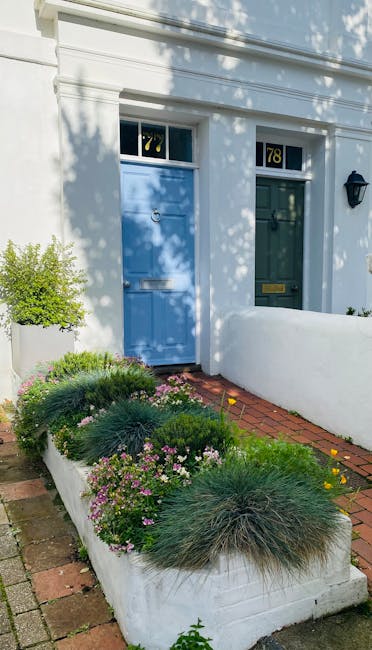
Picture a narrow front garden on Cann Hall Road: a small lawn strip, one patch of tired soil, an overgrown shrub by the window, and a path that feels tighter than it should. Nothing terrible. Just a bit worn out, the sort of garden people stop noticing because it has become background noise.
A practical, affordable approach would probably look like this:
- reduce the shrub so it no longer blocks light or crowds the window
- pull weeds and remove old debris from the bed
- re-edge the border so the line between lawn and planting is clear
- improve the soil with compost
- add two compact plants and one ground cover
- finish with a clean sweep of the path and entrance
That sounds modest, but the change can be striking. The frontage suddenly feels bigger because the eye can read it properly. The door becomes more inviting. The whole house seems a bit more cared for. Not a makeover-drama, just a proper lift.
If the garden is partly shaded, the planting could lean toward structure and texture instead of big colourful blooms. If it is exposed, tougher plants would be the better call. If the owner wants a small edible touch, herbs in containers can work well too. For practical ideas on that, see herb gardening for beginners.
This kind of project is often where affordable local gardeners earn their keep: not by doing everything, but by doing the right things in the right order. That is usually enough.
Practical Checklist
Use this as a quick pre-booking or pre-start checklist for a small front garden.
- Have I identified the main problem: weeds, overgrowth, poor layout, or lack of structure?
- Do I want a tidy-up, a refresh, or a small redesign?
- Is the front garden exposed to wind, shade, or heavy foot traffic?
- Are there plants worth keeping?
- Do I need low-maintenance planting rather than decorative planting?
- Is the path to the door clear and safe?
- Do I want containers, ground cover, or climbing plants to save space?
- Have I thought about how much upkeep I can realistically manage?
- Do I need advice on soil, feeding, or watering?
- Have I checked the provider's service and policy pages before booking?
A simple checklist like this saves time and helps you focus on what will actually improve the garden. It is easy to get distracted by colour charts and plant names. We all do it. Then the practical stuff quietly matters more.
If you are ready to ask about options, the most direct next step is to explore pricing and quotes and then reach out through the contact page.
Get a free quote today and see how much you can save.
Conclusion
Affordable gardeners Cann Hall Road for small front gardens are really about making a compact space work harder, look better, and stay easier to manage. That is the whole game. You do not need an oversized plan or a long wish list. You need a clear eye, a realistic budget, and a gardener who understands how small spaces behave in the real world.
The smartest improvements are usually the quiet ones: better edges, healthier soil, right-sized plants, and a layout that feels calm instead of crowded. When those pieces come together, even a modest frontage can feel welcoming. And frankly, that feeling is worth a lot.
If you keep the work simple, choose plants that suit the site, and avoid trying to do too much at once, the result will usually last longer than a flashy overhaul. Small front gardens can be lovely. They just need the right kind of attention.
A little care goes a long way, especially where every square metre counts.
Frequently Asked Questions
What do affordable gardeners on Cann Hall Road usually do for a small front garden?
They usually focus on the jobs that make the biggest visible difference first: weeding, edging, pruning, light planting, soil improvement, and tidying paths or borders. In a small front garden, that often delivers more value than a full redesign.
How can I keep costs down without making the garden look cheap?
Keep the design simple, use fewer plant types, and prioritise structure and clean edges. A restrained garden often looks more expensive than a busy one because it feels deliberate. That is the trick, really.
Is a small front garden worth investing in?
Yes, because it shapes first impressions and is visible every day. Small changes can noticeably improve the appearance of the whole property, and the maintenance workload can be kept very manageable.
What plants work best in a tiny front garden?
Compact shrubs, ground cover, small evergreens, hardy climbers, and container plants tend to work well. The best choice depends on light, wind, and how much care you want to give them. For more ideas, the guides on ground cover and evergreen climbers are a good place to start.
How often should a small front garden be maintained?
That depends on the planting and exposure, but a light weekly tidy and a more thorough seasonal check is a sensible pattern for many homes. If you prefer, a regular maintenance visit can keep things under control without much effort on your part.
Do small front gardens need redesigning, or can they just be tidied?
Many only need a tidy and a few improvements. If the layout is sensible and the plants are mostly suitable, a refresh can be enough. Redesigning makes sense when the space is awkward, overgrown, or hard to maintain.
What if my front garden is very shady or windy?
Then plant choice matters even more. Shade-tolerant and wind-tolerant species are usually the safest route. It helps to look at how the site behaves before buying anything, otherwise you end up fighting nature, and that is never fun.
Can a small front garden still include privacy screening?
Yes, but it usually works best with compact hedges, slim climbers, or carefully placed structure rather than tall, heavy planting. The aim is screening without making the space feel boxed in.
What should I ask before booking a gardener?
Ask what is included, how long the work is likely to take, whether waste removal is covered, and how the gardener approaches small-space planting. It is also sensible to check the provider's policies and service information beforehand.
Are there safety or insurance considerations for small garden jobs?
Yes. Even small jobs can involve tools, ladders, uneven ground, or slippery surfaces. It is sensible to choose a gardener who treats safety properly and can explain how they work. For more reassurance, review their insurance and safety information.
What is the fastest way to improve a tired front garden?
Start with cleaning, weeding, edging, and reducing overgrowth. Then add one or two compact plants or containers for interest. Those simple steps can transform the feel of the space quickly, especially when the frontage is small.
Where should I go next if I want help?
The easiest next step is to look at gardening services, review pricing and quotes, and then make contact to discuss your front garden. A quick conversation is often enough to turn vague ideas into a sensible plan.