Health and Safety Policy for Gardeners Cann Hall
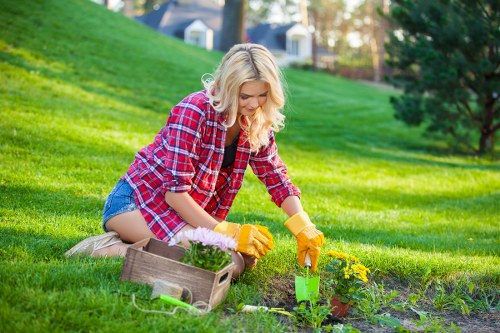 This health and safety policy sets out the standards expected from gardeners in Cann Hall and explains how safe working practices are maintained across all gardening tasks. It applies to routine maintenance, planting, pruning, lawn care, hedge work, soil handling, and the use of tools and equipment. The purpose of the policy is to reduce risk, protect workers and property, and ensure that every outdoor task is carried out with care, consistency, and professional attention.
Garden work often involves moving between changing surfaces, handling sharp equipment, working near roads or boundaries, and dealing with weather conditions that can alter quickly. Because of this, risk awareness is central to every job. All staff are expected to assess the area before starting, identify hazards, and use the correct controls to keep themselves and others safe. This includes wearing suitable protective clothing, maintaining tools properly, and following safe lifting and handling methods at all times.
 A strong safety culture supports both quality and reliability. Garden maintenance in Cann Hall must be completed without unnecessary exposure to injury, damage, or unsafe work methods. The policy also helps ensure that plant care, landscaping, and seasonal upkeep can continue efficiently while respecting the surrounding environment. Clear procedures are therefore essential for managing everyday tasks in a controlled and responsible way.
Before any work begins, a basic site check should be completed. This includes identifying uneven ground, slippery areas, hidden debris, overgrown sections, unstable items, and nearby obstacles such as fences, glass, or vehicles. When using powered tools, operators must make sure that the area is clear of people and pets. Any work near public access points should be planned to minimise disruption and prevent accidents.
All equipment used by gardeners must be suitable for the task, in good condition, and used only by trained or competent persons. Cutting tools should be kept sharp and stored safely when not in use. Machinery must be checked before operation, with faults reported immediately and the item taken out of service if necessary. Where powered equipment is involved, hearing protection, eye protection, gloves, and sturdy footwear should be worn if required by the task.
 Manual handling is another important part of the policy. Soil bags, pots, tools, and materials should be moved using safe techniques that avoid strain or sudden twisting. Loads should be split into smaller amounts where possible, and team members should ask for assistance when items are awkward, heavy, or difficult to carry. Good planning reduces fatigue and helps prevent avoidable injury during garden clearance, replanting, and routine maintenance.
Weather can affect both safety and performance. In wet, icy, hot, or windy conditions, work should be adjusted to suit the level of risk. Slippery surfaces may require extra caution, while high winds can make ladder use, pruning, and handling of branches unsafe. In hot conditions, rest, hydration, and shade should be built into the working day. In colder weather, gloves and layered clothing may be needed to preserve dexterity and comfort.
Substances used in gardening must also be handled with care. Fertilisers, weed control products, fuels, and cleaning agents should be stored correctly and used according to instructions. Exposure to chemicals should be limited through careful application, protective equipment, and proper washing after use. Any spills should be contained quickly and cleaned up using safe methods. Waste materials, including cuttings and contaminated items, should be separated and disposed of responsibly.
Responsibilities and Safe Working Practice
Gardeners Cann Hall places clear responsibility on every worker to act safely and report concerns promptly. Supervisors must ensure that staff understand their tasks, know the relevant risks, and have the equipment needed to complete the work safely. Workers must avoid shortcuts, follow instructions, and stop immediately if a situation becomes unsafe. Where specialist work is required, only those with the right competence should carry it out.
Emergency Response and Incident Reporting
Accidents, near misses, damaged equipment, and unsafe conditions must be reported as soon as possible. Quick reporting helps prevent repetition and supports timely corrective action. If someone is injured, the first priority is to make the area safe and provide appropriate assistance. Emergency procedures should be understood by all staff, including how to summon help, isolate hazards, and secure tools or machinery during an incident.
Ongoing review is an essential part of maintaining a safe gardening service. The policy should be checked regularly so that it remains effective, practical, and suited to the range of work being carried out. Lessons learned from incidents, changes in equipment, and seasonal work patterns should all inform updates. Continuous improvement helps ensure that health and safety standards remain high and that every project is delivered with responsibility and care.
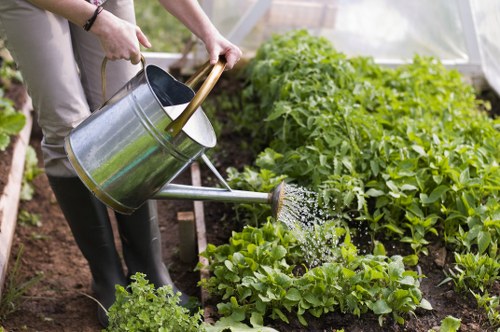 Professional gardeners must treat safety as part of workmanship, not as an extra step. A well-managed job protects staff, clients, visitors, and surrounding property while supporting a high standard of garden care. Clean work areas, proper tool use, careful planning, and respectful conduct all contribute to a reliable and safe service. Where tasks involve greater risk, they should be paused until suitable controls are in place.
 This policy underpins every aspect of work carried out by gardeners Cann Hall, from light maintenance to more demanding outdoor tasks. By keeping hazards under review and using sensible precautions, the service can remain efficient, safe, and dependable. Health and safety is an ongoing commitment, and it depends on every individual taking responsibility for their actions, their equipment, and the people around them.