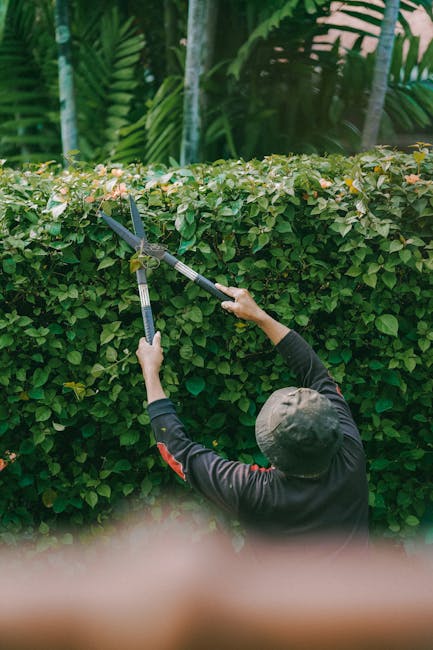
Same day gardeners Cann Hall for emergency hedge cutting
If a hedge has suddenly become a problem, you usually know it straight away. A branch is leaning into a path, sightlines have been blocked, a neighbour has raised a concern, or storm damage has turned a tidy boundary into a mess. In those moments, Same day gardeners Cann Hall for emergency hedge cutting is not about cosmetic perfection; it is about restoring safety, access, and control quickly. This guide explains what urgent hedge cutting involves, how same-day support typically works, what to expect on arrival, and how to choose the right help without panic-buying the first option that appears. Let's face it, when the hedge is causing a problem, you want calm, practical action more than a sales pitch.
We will also cover the difference between a quick emergency cut and a more considered hedge trim, the usual mistakes people make under pressure, and the best way to prepare your garden before the team arrives. If you are comparing services, you may also find it useful to look at hedge trimming in Cann Hall, regular garden maintenance, and the wider gardening services available locally.
Table of Contents
- Why Same day gardeners Cann Hall for emergency hedge cutting Matters
- How Same day gardeners Cann Hall for emergency hedge cutting Works
- Key Benefits and Practical Advantages
- Who This Is For and When It Makes Sense
- Step-by-Step Guidance
- Expert Tips for Better Results
- Common Mistakes to Avoid
- Tools, Resources and Recommendations
- Law, Compliance, Standards, or Best Practice
- Options, Methods, or Comparison Table
- Case Study or Real-World Example
- Practical Checklist
- Conclusion
- Frequently Asked Questions
Why Same day gardeners Cann Hall for emergency hedge cutting Matters
An emergency hedge issue tends to show up at the least convenient time. A windy evening can push soft growth into a driveway. A heavy rain spell can make a hedge sag across a pavement. Sometimes the hedge has simply been left too long and is now interfering with gates, bins, sheds, windows, or shared access. In a busy part of London, even a small obstruction can become annoying very quickly.
Same-day hedge cutting matters because delay often makes the problem worse. Overgrown hedges can reduce visibility for drivers and pedestrians, create friction with neighbours, and make it harder for you to manage the rest of the garden. If the hedge has suffered weather damage, a fast response can prevent tearing, splitting, or further collapse. There is also the simple emotional side of it: a garden that suddenly feels out of control can be genuinely stressful. A quick, tidy intervention often resets the whole space.
There is another layer too. Emergency hedge work is rarely just about cutting. It can involve careful shaping, safe removal of loose sections, access clearing, and making the boundary usable again without hacking it back too hard. That judgement matters. A rushed cut with no thought for plant health can leave a hedge thin, patchy, or vulnerable later on. So yes, fast is useful. But fast and sensible is better.
Practical takeaway: emergency hedge cutting should restore safety and access first, then tidy the appearance in a way that does not create a second problem next month.
How Same day gardeners Cann Hall for emergency hedge cutting Works
In most real-world cases, same-day hedge cutting follows a simple pattern. You explain the issue, share a few photos if possible, and describe what has happened. A good team can usually tell from that whether the job is a quick tidy, a partial reduction, or something that needs more careful handling. If access is awkward, if there is storm damage, or if the hedge is very high, they may ask a couple of extra questions before confirming timing.
On arrival, the first job is usually a short assessment. That means checking the hedge type, looking for unstable branches, noting nearby obstacles, and deciding how to work safely around fences, paths, ornaments, parked cars, or climbing plants. To be fair, this bit can feel a little unglamorous, but it saves a lot of trouble. Good judgement at the start often means a cleaner result at the end.
The actual cutting may involve handheld hedge trimmers for lighter growth, long-reach tools for taller sections, and hand pruners for finer correction work. If the hedge is tangled, the team may remove broken or protruding stems first and then shape the face and top. In a sudden emergency, the priority is usually to make the hedge safe, even, and contained. If a more detailed reshape is needed later, that can be booked separately as a follow-up.
Most same-day jobs also include basic clearing up. That means gathering clippings, removing loose debris from paths, and leaving access areas usable. A hedge emergency can look dramatic at 9am and surprisingly calm by lunchtime. Not always, but often enough to matter.
Key Benefits and Practical Advantages
The most obvious benefit is speed. When a hedge is overhanging a driveway, blocking a path, or creating a nuisance after bad weather, same-day support stops a small problem becoming a bigger one. But speed is only part of the value.
- Immediate safety improvement: clearer sightlines, less obstruction, and reduced trip or scrape hazards.
- Neighbour and access reassurance: if a hedge has spilled over a boundary, prompt action helps reduce avoidable tension.
- Protection from further damage: broken or wind-lashed stems can be dealt with before they tear further.
- Better garden control: your outdoor space feels manageable again, which honestly makes a difference.
- Less stress for you: urgent hedge problems are one of those things that sit in the back of your mind until they are fixed.
There is also a longer-term advantage. A skilled gardener will usually cut with an eye on future regrowth. That means less chance of ugly bald patches or lopsided recovery. If your hedge is part of a broader boundary layout, it can be worth checking related services such as fencing or landscaping if the hedge problem has also exposed worn edges, broken supports, or uneven borders.
Who This Is For and When It Makes Sense
Same-day hedge cutting is not only for dramatic storm damage. In practice, it suits quite a few everyday situations.
You might need it if:
- a hedge is blocking a driveway, gate, footpath, or shared access route;
- wind has bent the hedge over and it now looks unsafe or untidy;
- branches are scratching windows, rendering, cars, or external fixtures;
- you have an event, inspection, property viewing, or family gathering coming up;
- a neighbour has raised a boundary concern and you want to act quickly and calmly;
- the hedge has outgrown its space and needs a rapid reduction before it causes more hassle.
It can also make sense if you are trying to protect the wider garden. For example, a hedge that is shedding broken pieces after bad weather may signal a broader issue. In that case, you might also be interested in garden fortification tips to prevent weather damage and ways to reduce excessive wind in your green space.
Truth be told, some people wait too long because they assume hedge cutting can only happen as part of a planned seasonal tidy. It often can. But urgent calls happen for a reason. If the hedge is affecting safety, access, or relations with people around you, the sensible move is to deal with it now.
Step-by-Step Guidance
If you need emergency hedge cutting, the process becomes much easier when you know what to expect. Here is a practical step-by-step approach.
- Assess the issue clearly. Is the hedge obstructing access, dropping debris, leaning, or just overgrown? A quick mental note helps you describe the problem accurately.
- Take a few photos. One from a distance and one close up is usually enough. The goal is not to make it look dramatic; the goal is to show scale and access.
- Check for immediate hazards. Look for unstable branches, loose wire, nearby power lines, hidden glass, or slippery ground. If anything feels unsafe, do not poke around.
- Contact the gardener promptly. Explain that it is urgent and give the key details: hedge height, length, access, and whether any part has fallen.
- Confirm access and expectations. Make sure the team knows whether they can park nearby, use side access, or work only from one side of the hedge.
- Prepare the area. Move cars, toys, planters, furniture, and pets. A five-minute clear-up can save thirty minutes on site.
- Let the team prioritise safety first. If they need to reduce the hedge in stages or remove dangerous sections before shaping, that is usually the right call.
- Review the finish and the waste removal. Before they leave, walk the boundary with them and check that the access points are clear.
If the hedge is part of a regular garden rhythm, you may want to build the emergency work into a longer plan. That is where garden maintenance and about the team pages can help you understand the wider approach and standards behind the service.
Expert Tips for Better Results
A fast job can still be a good job. The trick is knowing what to ask for and what not to rush.
1) Ask for a safety-first cut, not just a quick trim
Emergency hedge cutting should solve the immediate problem. If the hedge is unstable, a careful reduction is better than trying to make it look perfect in one go. There is no prize for making it pretty if it leaves weak stems behind.
2) Leave enough leaf area for recovery
Hedges need foliage to recover well. Cutting too hard into bare wood, especially in a panic, can cause slow regrowth or ugly gaps. A knowledgeable gardener will know when to stop short and when to step back. That restraint is a good sign, not a limitation.
3) Think about seasonal timing
Some hedges cope well with heavier cutting at certain times; others do not. Even in an urgent situation, timing still matters. If you are unsure, a brief conversation before the work begins can prevent an overzealous cut.
4) Use the emergency visit to learn what caused the issue
Was it wind exposure, rapid growth, lack of previous shaping, or root stress? Knowing the cause helps you avoid the same headache next month. For hedges planted in exposed gardens, it can help to read practical advice like fast-growing hedge options for privacy and expert hedge trimming shapes.
5) Keep the surroundings clear before and after
This sounds obvious. It often is obvious. But toys, hosepipes, buckets, and lightweight furniture have a habit of appearing right where the clippings want to land. Clearing them beforehand makes the whole visit smoother.
Common Mistakes to Avoid
Most hedge emergencies become more awkward because of simple, avoidable mistakes. The good news? They are easy to sidestep once you know them.
- Waiting for the perfect time: if the hedge is blocking access or creating a risk, don't sit on it for a week hoping the weather sorts itself out.
- Cutting too much at once: over-reduction can shock the hedge and leave it thin for months.
- Ignoring the root cause: if strong wind or poor support keeps causing the hedge to lean, the problem may return.
- Forgetting waste handling: cuttings can quickly overwhelm bins and pathways if there is no clear plan.
- Choosing speed over competence: same-day is great. Skilled same-day is better.
Another mistake is assuming all hedge problems are purely cosmetic. Sometimes they are. But often there is a practical concern underneath, especially if the hedge has become dense enough to trap moisture, hide broken stems, or create a blind corner. In a small side passage, that can feel surprisingly claustrophobic. A bit like the hedge has decided to take over the house. Rude, really.
Tools, Resources and Recommendations
For urgent hedge cutting, professionals usually rely on a combination of cutting, clearing, and safety equipment. The exact kit depends on the hedge height, thickness, and condition, but the common tools are easy to understand.
| Tool or resource | Typical use | Why it matters |
|---|---|---|
| Hedge trimmer | General shaping and reduction | Speeds up cutting on dense growth |
| Hand pruners or secateurs | Smaller stems and fine correction | Gives a cleaner finish around awkward spots |
| Long-reach trimmer | Taller hedges and difficult angles | Improves access without unsafe stretching |
| Rake, tarp, or collection sacks | Gathering debris and clippings | Keeps paths clear and tidy |
| Protective equipment | Gloves, eye protection, sturdy footwear | Reduces avoidable injury risk |
If you are doing a bit of prep yourself before the team arrives, the most useful resources are simple ones: a clear path, access to water if needed, and space for green waste. For broader garden preparation and repair jobs, you may also find essential gardening tools and insurance and safety guidance reassuring when choosing who to hire and how work is handled.
As a side note, if your hedge emergency has exposed bare patches in the rest of the garden, it may be a good moment to think about longer-term planting. That could mean low-maintenance fillers, ground cover, or even structural planting. A few ideas can be found in must-have ground covers for UK gardens and budget low-maintenance gardening ideas.
Law, Compliance, Standards, or Best Practice
Hedge cutting in the UK is usually straightforward, but best practice still matters. The key principle is simple: carry out the work safely, respect boundaries, and avoid unnecessary damage. If a hedge borders a shared path, public pavement, or neighbour's property, care is needed to keep access clear and avoid disputes.
For hired work, it is sensible to choose a provider that treats health and safety seriously. That does not mean paperwork for the sake of it. It means using sensible protective equipment, understanding when a hedge is too unstable for a rushed cut, and working carefully around structures, glass, pets, and children. If you want to understand how a provider approaches this side of the work, review their health and safety policy and their terms and conditions.
There is also a practical compliance angle around noise, waste, and neighbour relations. Good hedge work should be done with the fewest surprises possible. Clippings should be managed responsibly, access should be kept tidy, and any significant boundary issue should be discussed before cutting begins. If something goes wrong, it helps to know the provider has a clear complaints procedure and transparent payment and security details. That level of clarity is often what separates a calm job from a stressful one.
Options, Methods, or Comparison Table
Not every hedge problem needs the same response. Sometimes a quick tidy is enough. Sometimes a reduction is more appropriate. And sometimes the hedge should be handled as part of a broader boundary repair. The table below gives a simple comparison.
| Method | Best for | Pros | Watch-outs |
|---|---|---|---|
| Light emergency trim | Minor overhang, loose growth, quick access issues | Fast, neat, low disruption | May not solve deeper overgrowth |
| Safety reduction | Wind damage, leaning sections, blocked visibility | Improves safety and stability | Needs judgement to avoid cutting too hard |
| Full hedge reshape | Severe overgrowth or obvious imbalance | Improves structure and appearance | May take longer and require follow-up care |
| Boundary repair alongside cutting | Damaged edges, exposed fence lines, mixed garden issues | Addresses the whole problem in one plan | Needs broader coordination |
If your hedge issue is actually part of a larger garden reset, it may be worth pairing the work with lawn mowing, lawn care, or even patio cleaning so the whole space feels back under control. Sometimes the hedge is the headline, but the rest of the garden is quietly asking for attention too.
Case Study or Real-World Example
Picture a typical Cann Hall afternoon after a windy night. A homeowner opens the side gate and finds that the hedge along the boundary has dropped several inches into the passage. Nothing dramatic has snapped, but the walkway feels tight, the bin store is awkward to reach, and there is a bit of broken growth hanging loose. The garden still works, just not comfortably.
In that situation, the sensible approach is not a full, aggressive chop. The gardener would likely start by removing the damaged tips, lifting the most obstructive sections, and clearing a safe corridor through the passage. Once the immediate issue is gone, the hedge can be lightly dressed so it looks intentional rather than battered. That subtle difference matters a lot. You can almost hear the sigh of relief when a narrow space feels usable again.
A couple of weeks later, the homeowner might decide to book a more measured follow-up trim to even the hedge out and reduce the chance of another wind-snag. That is often how good emergency work evolves: quick rescue first, proper maintenance second. The best results usually come from that two-step rhythm, not from trying to force everything into one rushed visit.
Practical Checklist
Use this quick checklist before and during a same-day hedge cutting visit:
- Identify exactly what is wrong: overhang, damage, blocked access, or boundary concern.
- Take a few clear photos if you can.
- Move cars, garden furniture, toys, hoses, and fragile items.
- Keep pets and children away from the work area.
- Make sure the gardener knows about narrow access, locked gates, or neighbour boundaries.
- Ask whether the work is a safety cut, tidy-up, or reduction.
- Confirm how clippings and waste will be handled.
- Walk the area afterwards and check the result from a few angles.
- Note whether a follow-up trim or maintenance visit would help.
- Save the contact details for next time, because sometimes these things have a habit of returning at the worst moment.
Conclusion
Emergency hedge cutting is one of those jobs that feels small until it becomes urgent. Then it is suddenly about access, safety, boundaries, and peace of mind. Same day gardeners Cann Hall for emergency hedge cutting gives you a way to deal with the issue quickly while still keeping an eye on hedge health and long-term garden quality. The best outcome is not just a hedge that has been cut back; it is a space that feels tidy, usable, and back under control.
If you are facing a hedge problem today, act early, describe the issue clearly, and choose a team that understands both the urgency and the detail. A careful same-day response can spare you a lot of hassle later, and it often restores the whole mood of the garden. That is worth a great deal on a breezy Cann Hall day.
Get a free quote today and see how much you can save.
Frequently Asked Questions
What counts as an emergency hedge cutting job?
An emergency hedge job is usually any situation where the hedge is causing immediate problems such as blocked access, unsafe overhang, wind damage, or a boundary issue that needs prompt attention.
Can a gardener really cut my hedge on the same day?
Often, yes. If the schedule allows and the job is practical to complete safely, same-day hedge cutting is possible. Clear photos and a quick explanation help the gardener decide fast.
Is same-day hedge cutting different from regular hedge trimming?
Yes. Regular trimming is usually planned for shape and maintenance, while same-day emergency work focuses first on safety, access, and removing the immediate problem.
Will emergency cutting damage my hedge?
It should not, if it is done carefully. A skilled gardener will avoid cutting too hard and will leave enough healthy growth for the hedge to recover well.
What should I do before the gardener arrives?
Clear access, move valuables, keep pets inside, and make sure the team knows about any narrow gates, awkward paths, or boundary concerns. A tidy workspace really helps.
How do I know if my hedge needs a reduction rather than a trim?
If the hedge has grown too wide, too tall, or is blocking access, a reduction may be more appropriate. If it just needs tidying, a light trim may be enough. The gardener can advise after a quick look.
Can hedge cutting be done after bad weather?
Usually yes, but only once the area is safe to work in. If branches are unstable or the ground is hazardous, the gardener may need to wait or handle the job in stages.
Do I need to be home for the work?
It depends on the access and the agreement made in advance. For emergency jobs, being available at the start is often helpful so the gardener can confirm the issue and agree the scope of work.
What happens to the hedge clippings?
That depends on the service arrangement. Many gardeners will clear the waste as part of the job, but it is sensible to confirm this before work begins so there are no surprises.
Can a gardener help if my hedge is leaning or partly broken?
Yes, in many cases they can remove damaged growth, reduce pressure on the hedge, and make it safe. If the damage is severe, a broader repair plan may be needed.
How much does emergency hedge cutting cost?
Pricing depends on hedge size, access, urgency, and the amount of work needed. The most reliable approach is to request a quote based on your specific situation rather than guess.
What if the hedge issue is linked to a fence or boundary problem?
Then the gardener may suggest additional work or a different service altogether. In those cases, it can help to look at fencing or discuss the wider issue during the first call.
How often should I trim hedges after an emergency cut?
That depends on the hedge type and growth rate. After a difficult cut, a lighter maintenance schedule is often better than leaving the hedge to race ahead again.
Is there a good time of year for hedge cutting in Cann Hall?
Routine hedge cutting is usually planned around plant type and growth cycles, but emergencies do not always wait for the ideal season. In urgent situations, safety and access come first, then the plant's recovery needs.
If you want to follow up after an emergency visit, consider a longer-term maintenance plan, and keep the space simple for a week or two while the hedge settles. A little patience goes a long way. Sometimes the garden just needs a calm moment to breathe again.